Software acceptance testing is a crucial step in ensuring the quality of AI software products
Driven by the current digital wave, the rise of artificial intelligence (AI) technology undoubtedly brings unprecedented opportunities and challenges to enterprises. Especially the emergence of AIGC software products (AI-Generated Content, that is, content generated by artificial intelligence), with its unique capabilities, helps enterprises improve work efficiency (such as code development, word processing, PPT reports, etc.), optimize user experience and explore new markets. However, with the in-depth application of AI technology, how to ensure the quality and stability of these intelligent software has become an urgent problem for enterprise users to solve. We need to clearly recognize that no matter how advanced the technology of any AI software product is, it is hard to avoid potential flaws and deficiencies. These flaws may stem from imperfect algorithms, data deviations, or negligence during the development process. If it is put into use without sufficient testing, it is highly likely to have a negative impact on the normal operation of the enterprise and further damage its reputation. Against this backdrop, the significance of software acceptance testing is increasingly prominent. It is not only the sole way to ensure the quality of AI software products but also the cornerstone for building user trust.

So, what exactly is software acceptance testing? In short, it refers to the comprehensive and systematic testing and evaluation of software by a professional testing team after its development is completed and before it is officially put into use. The core purpose of this process is to verify whether the software meets the actual needs of users, whether it has stable and reliable performance, and whether there are any potential security risks. For AI products, acceptance tests also need to pay special attention to key indicators such as their level of intelligence, data processing capabilities, and response speed. When conducting software acceptance tests on AIGC software products, the testing team must follow a strict set of procedures and standards. The first step is to carefully formulate a detailed test plan and use cases based on the specific needs of AI users and the actual functions of the software. These test cases should comprehensively cover all the functions of the AI software product to ensure that no details are overlooked. Subsequently, the testing team will use professional testing tools and methods to conduct a detailed and meticulous inspection of the software one by one. This includes but is not limited toFunctional testing/Performance testAnd multiple dimensions such as security testing.

Functional testingAs one of the core links of acceptance testing, its purpose is to verify whether the AIGC software can fully realize all the functions expected by users and ensure the smoothness and accuracy of the operation process. The testing team will conduct detailed tests on every function of the software, especially the core functions such as content generation, editing and publishing. By simulating the actual operations of users, the team can promptly identify and fix functional defects existing in the software, thus ensuring that users can use it smoothly.
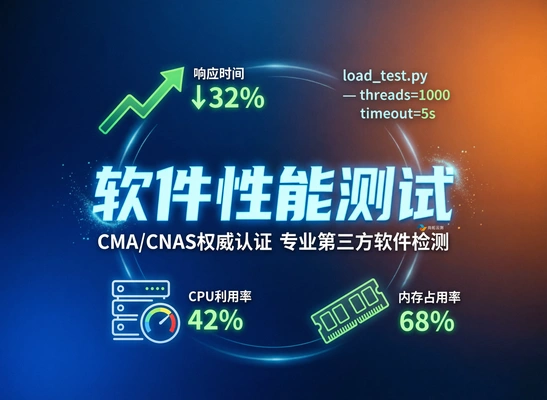
Performance testIt also holds a pivotal position. The performance and efficiency of AI software products directly affect the user experience. Therefore, during the acceptance testing phase, the testing team will strictly control and evaluate key performance indicators of the software, such as response time, data processing capabilities, and the number of concurrent users. WithPressure testBy means of load testing and others, the team can simulate the actual operation of the software in different scenarios, thereby ensuring the stability and reliability of its performance.
Meanwhile, security testing plays a crucial role in ensuring the safety of AI software products. In the current context where cybersecurity issues are becoming increasingly prominent, it is particularly important to ensure that the user environment and data of enterprises are protected from threats such as hacker attacks and data leaks. The testing team will conduct a comprehensive review of the softwareSecurity Vulnerability ScanAnd conduct penetration testing to promptly identify and fix potential security risks. This not only can effectively ensure the security of user data, but also can effectively enhance users' trust in the software.
In addition to the above-mentioned testing process, acceptance testing also needs to pay sufficient attention to the ease of use and maintainability of the software. Usability testing aims to evaluate whether the interface design of the software is intuitive and easy to understand, and whether the operation is convenient and efficient. An outstanding AI software product should enable users to get started easily without spending too much time learning and exploring. Maintainability testing, on the other hand, focuses on the scalability and repairability of the software to ensure that it can be updated and maintained conveniently during subsequent use.

Software acceptance testing is not a one-off task but needs to be carried out continuously along with the constant advancement of AI technology and the changing demands of users. The testing team needs to keep a close eye on industry trends and technological developments, and adjust testing strategies and use cases in a timely manner to ensure the effectiveness and pertinence of testing work. For enterprise users, attaching great importance to software acceptance testing is not only related to product quality, but also directly affects the long-term interests of the enterprise. An AI software product that has undergone rigorous testing can bring numerous tangible benefits to enterprises: enhancing work efficiency, reducing operating costs, optimizing user experience, and improving brand image, etc. Through comprehensive and meticulousFunctional testing/Performance testThrough security testing and other links, we can provide enterprise users with more stable and reliable AI products. This not only helps to enhance the operational efficiency and user experience of enterprises, but also enables them to gain a favorable position in the fierce market competition. Therefore, both developers and users of AI software should attach sufficient importance to and invest in the crucial step of software acceptance testing, and jointly promote the sustained and healthy development of AI technology.